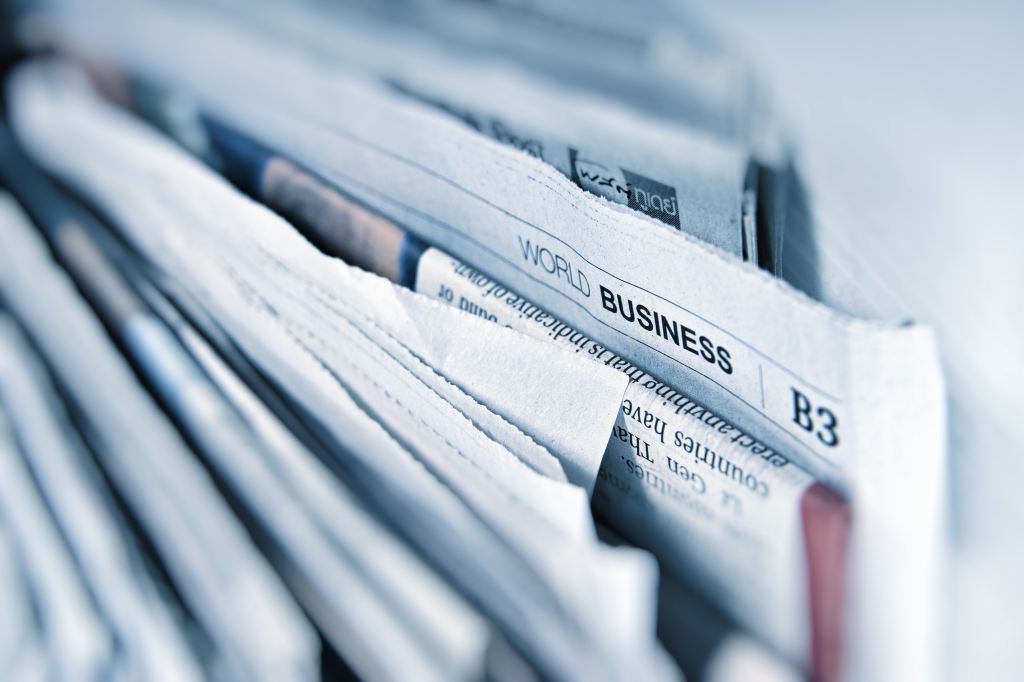
Being able to consume news is absolutely vital to our world and factual, reputable news is even more imperative to a smooth running society. In today’s day and age, journalism and media are facing some difficult challenges that have never been faced before. Print media is dying out and digital media is the new newspaper. The problem is that generating revenue from digital media sites is a very difficult task. One way to generate revenue is to increase the traffic, or amount of clicks, that a certain page or article receives. This increases the ad views and the profit is driven up. However, to get a large number of people to click in the same place, you really have to catch their attention. Typically, this means creating “clickbait” or “fake news” titles to reel people in. The problem with this, is that once the title is crafted to catch the attention of the viewer, the news begins to lose integrity and eventually, the public becomes skeptical of the news it’s seeing. The most popular title usually isn’t the most important one, either.
Like I mentioned before, we could consider the newspaper to be on the endangered publications list. It hardly makes any return and news rooms are having to largely cut back their staff. This is a problem. This issue is large for a number of reasons but above all, a newspaper is one of the few places left that we can most regularly rely on to produce the most authentic news. Secondly, a newspaper holds so much honor within a society and cities take pride in the name of their papers. After watching John Oliver report on the current state of newspapers and the dangers it faces, it is clear to see that the loss of newspapers will affect us all. He states that “media is a food chain that would fall apart without local news sources.” There is clear evidence that many television news channels take the news they report directly from local newspapers. People are no longer willing to subscribe to a newspaper that they can view for free, online, instead. Oliver says and I agree, we are either going to have to start paying for journalism, or we will pay for it. Meaning there will be societal repercussions.
In a Podcast titled “Nico Mele: In Search of a Business Model,” the same issues are touched on surrounding the doomed newspaper and the difficulties of profiting from digital news. In the podcast, Mele states that the key is to find sustainable funding models that help journalism stay independent. This way, there is no input from a higher power who may have a skewed vision or opinion, but there is adequate funding. Two of the major foundations that need reform within journalism are subscription revenue and the rules around advertising. The problem with subscription revenue is that people have already turned away from purchasing subscriptions and I don’t see them going back. It is a method of the past and new approaches need to be formulated. If there is a free option or even a free way, people will choose it. Surrounding the rules of advertising, I think there is a possible future for change within these walls. Because so much of what we do in our lives is dominated by advertisement, I feel that there must be potential for reform of the current method and standard of generating money from advertising. It cannot be completely attention based and it should shift to be grounded in integrity.
Overall, changes need to be made and they need to happen fast if we want to keep print publications around. In Nico Mele’s podcast he talks about the idea that sometimes, a moment of great crisis is the best opportunity to make the largest changes. I think this is true. We are in the midst of crisis, now is our time to make changes.
 Ruthie's Writings.